Have No Fear, Makeup is Here
Despite our best skincare efforts, waking up to an unexpected pimple can happen to anyone. As a future makeup artist or professional trained at a cosmetology school, knowing how to effectively cover blemishes can set you apart in your career. Mastering this skill isn’t just about concealing flaws—it’s about building your client’s confidence.
Understanding Acne
Before diving into makeup techniques, let’s break down what a pimple actually is. Pimples are blocked pores caused by dirt, oil, or bacteria. They can take the form of:
- Blackheads: Open pores clogged with debris, appearing as small bumps with dark centers.
- Whiteheads: Closed pores with dirt or oil, often leading to inflamed spots.
- Cystic Acne: Deep, painful bumps filled with pus, often requiring more care to manage.
While dermatologists recommend avoiding makeup on active acne, special occasions may call for a polished look. Here’s how to cover a pimple safely and effectively.
Step-by-Step Guide to Covering a Pimple with Makeup
So, how exactly do you cover a pimple with makeup in a pinch?
The process is simple, really, though it takes patience and persistence. Not all acne is created equal, however, and different acne types require a slightly altered foundation application technique as indicated in step 4.
With a little TLC and a light hand, you can effectively cover any type of pimple using makeup products and tools you already have on your vanity.
Let’s get started.
Step 1: cleanse your skin
Before you even think about applying a millimeter of makeup, you need to wash your face. You wouldn’t start painting a stunning landscape on a dirty canvas, would you?
Make sure to cleanse your skin thoroughly and pat dry completely before moving on to the next step.
Step 2: apply primer
Just as a paint primer helps to prep and protect a surface for a detailed paint job, a makeup primer preps and protects your skin before foundation application.
Your skin is naturally rough, oily, and porous, which creates a volatile surface for foundation. A primer works to smooth the skin, fill slight creases, and reduce the appearance of large pores. Since acne spots create a bumpy skin surface, a primer will help to conceal pimples by creating a polished canvas.
Step 3: color correct if necessary
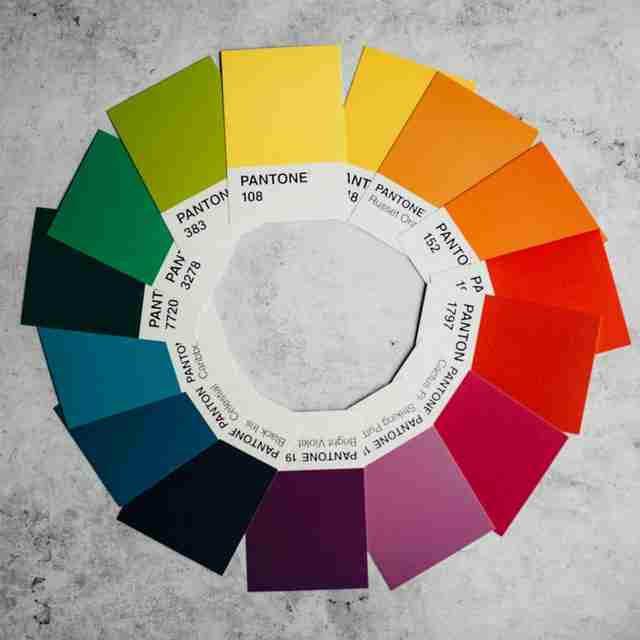
Color correction helps to prevent visible discoloration on the skin after foundation application. This is where your middle school color wheel education comes in handy! Complementary colors (located on opposite sides of the color wheel) cancel each other out creating an even-toned base on which to apply your foundation.
If you have red, blotchy skin surrounding your whiteheads or cystic acne, you need green color correction. Green color correction reduces the appearance of redness. If your cystic acne has a purple tint, you need yellow color correction.
You can find a color correction palette to fit your needs at Sephora, Nordstrom, or popular drugstore chains.
Step 4: apply foundation
Now, for the heavy hitter: foundation.
Foundation can work wonders on acne-spotted skin if applied properly. If you have blackheads, you need a medium coverage foundation applied with a fluffy brush in circular motions. For whiteheads, you can use a medium coverage foundation applied directly to the skin with clean hands. Cystic acne requires a little more TLC since these spots are often bumpy on the skin; apply a buildable coverage foundation with a beauty blender sponge in a tapping motion.
Step 5: lightly dust with powder
The finishing touch on your Mona Lisa masterpiece is a light dust of setting powder.
When applying setting powder, be careful not to over apply. Just a light dusting in oily-prone areas will suffice (your t-zone is the most common culprit, you can start there and add setting powder as needed).
Makeup Application is a Form of Art
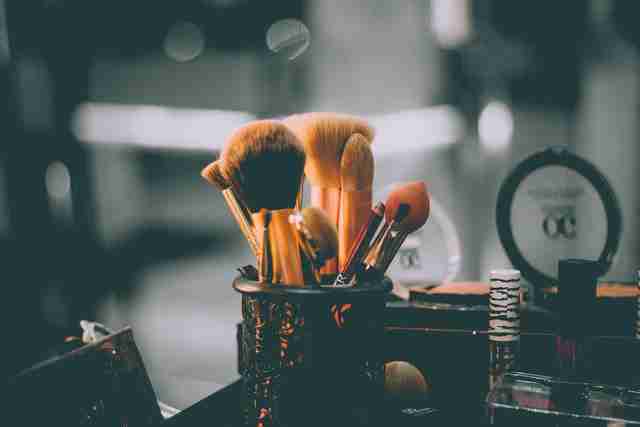
Makeup isn’t just about products—it’s an art form that allows you to enhance, transform, and inspire. Whether you’re helping a client achieve a glowing complexion or preparing them for a major event, your skills as a makeup artist can make all the difference.
If you’re passionate about makeup and dream of turning your creativity into a career, consider enrolling at a cosmetology school. At Avenue Five Institute in Austin, Texas, you’ll learn industry techniques, gain hands-on experience, and prepare for a successful future in cosmetology.
In as little as nine months, you can start your journey toward becoming a licensed professional, equipped to help clients look and feel their best—whether it’s covering a pimple or creating a glamorous red-carpet look.
Ready to Begin Your Journey?
Learn more about Avenue Five Institute’s hybrid learning model and how our accredited cosmetology school can help you turn your passion into a career.